


Insights
7月 31, 2026 _ insights
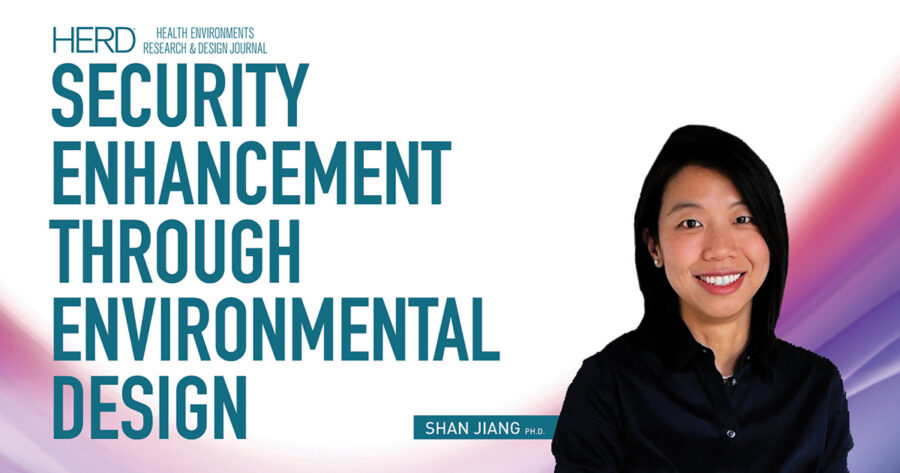
Security Enhancement Through Environmental Design
Healthcare settings are meant to heal, but for many patients, families, and staff, they can also feel vulnerable and unsafe. I recently participated in an active shooter training offered by Allegheny Health Network and experienced firsthand the physical and psychological stress of hiding, barricading, and running through simulated workplace violence scenarios. This training exercise, paired with recent fatal shootings in healthcare settings, validates the urgent need to rethink how hospitals are designed not only for care delivery, but also for safety, visibility, and emergency response.
My latest editorial for HERD Journal explores how Crime Prevention Through Environmental Design (CPTED) can inform safer healthcare environments, particularly in high-risk areas such as emergency departments, entry sequences, waiting areas, and circulation paths. Drawing on foundational CPTED principles—natural surveillance, territorial clarity, and maintenance—it argues that design can strengthen safety without relying solely on added security screening. Features such as clear sightlines, organized arrival sequences, visible care-team presence, maintained landscaping, and light-filled waiting areas can help reduce confusion, support emergency egress, and offer reassurance to anxious visitors and staff.
Ultimately, CPTED offers a practical, evidence-informed framework for healthcare design that balances security with dignity and calm. By making environments more legible, observable, and easier to navigate, architects and planners can help reduce opportunities for violence while also improving the everyday experience of care.
Read the full article in HERD here.
Learn more about research at GBBN here.
Read more about incorporating safety without intimidation in healthcare spaces here.
 Shan Jiang, Ph.D, is an associate principal and the director of research at GBBN. An established researcher, educator, and thought leader, she has published dozens of articles in peer-reviewed journals, presented at conferences, including a full monograph with Routledge on therapeutic landscapes, healthcare design, and sustainable community development. At GBBN, Shan leads firm-wide research efforts, helping design teams in all markets conduct research while drawing on the best, established research to inform their work.