Insights
Mar 11, 2026 _ insights
Know Your Ending: Crafting Thoughtful Donor Recognition Environments From Campaign Kickoff to Cutting the Ribbon
So, you’ve invested hours watching a great television show. As the show builds toward its finale, the excitement is palpable. Then the finale happens. The penultimate episode airs and there are huge plot points left untended, character arcs that have gone off the rails, and inexplicably, the night king’s climactic battle—the one you’ve been waiting for all season—lasts all of 60 seconds. Anticipation and elation give way to…deflation. That single episode, out of the dozens or even hundreds you watched, has now tainted your view on the entire show despite it being such a small portion of the overall experience.
…the end of any given experience disproportionately shapes
how we remember the whole thing.
Turns out, there’s a name for that, Peak-End Memory Bias. Research into this phenomenon, and how we process experiences, reveals that the end of any given experience disproportionately shapes how we remember the whole thing. This is an important idea to keep in mind when running a capital campaign. At the grand opening, the ribbon cutting, or those final donor tours, it is critical that the recognition of the donors lives up to the excellence of the entire project and the promises made in the beginning. In other words, your night king battle needs to be epic and environmental graphic design (EGD) is here to help.
Bringing on an EGD partner not only helps maintain the level of excellence established on a project, it also ensures your story doesn’t just get told—it gets felt.

EGD in Action
In our experience, this has proven to be true across a wide range of organizations and sectors, including healthcare, arts, and non-profits. A few recent examples illustrate the benefits of (as they say in Hollywood) “knowing your ending.”
Healthcare
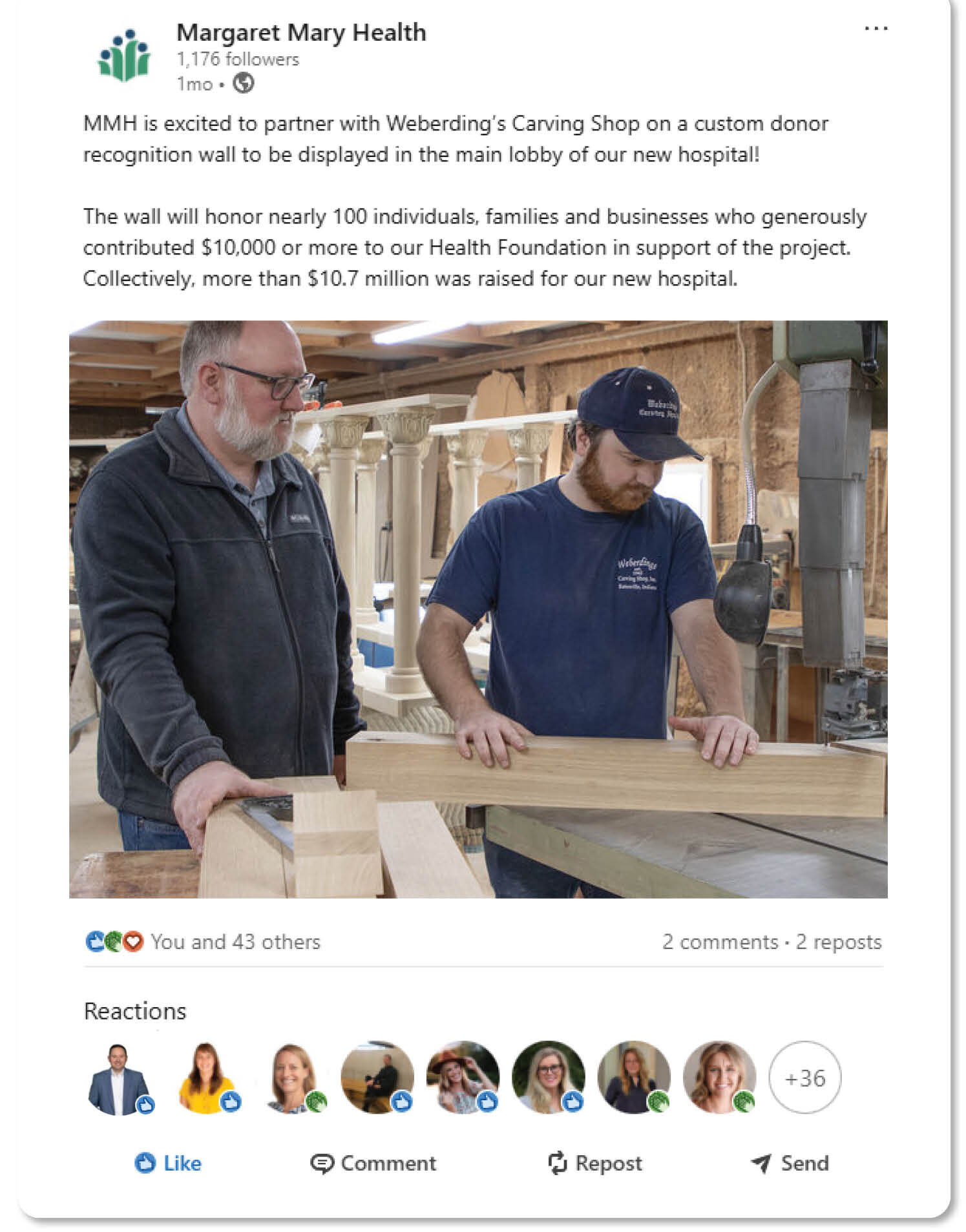
Helping Margaret Mary Health (MMH) exceed their campaign goals for its new, all-electric hospital in Batesville, Indiana, began with implementing an EGD vision for the donor recognition design, interior graphics, and signage. From the custom-designed donor wall, to the donor gifts, and donor artwork, we crafted a story that permeated throughout the entire building. That story—which included local student artists, glass artisans, local woodworkers, and designs inspired by area wildlife—helped create, in the words of our client, “the FOMO moment.” Those stories (below) spread throughout the Batesville community and reinvigorated the Margaret Mary Health Foundation’s campaign in its final months which led to the team surpassing their campaign goals. The ending is an elevated recognition strategy that weaves storytelling and meaning together, ensuring MMH donors become generational supporters.
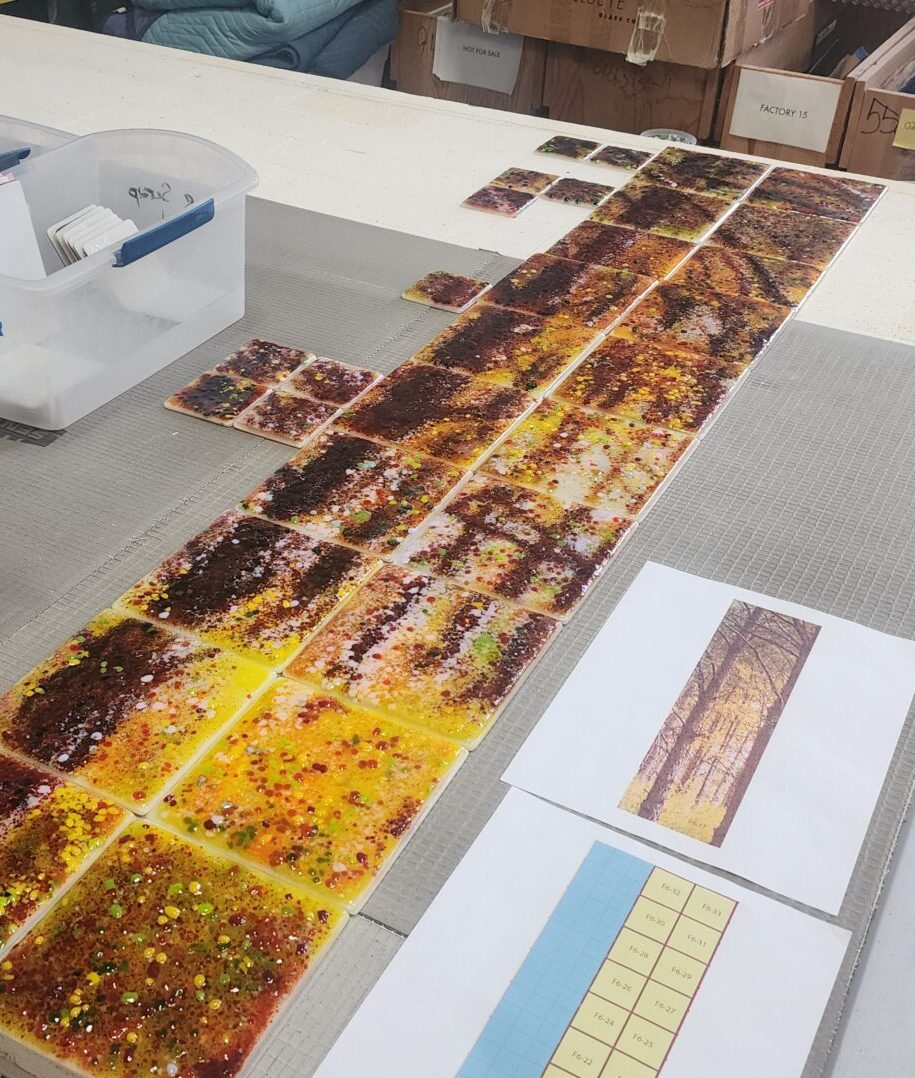
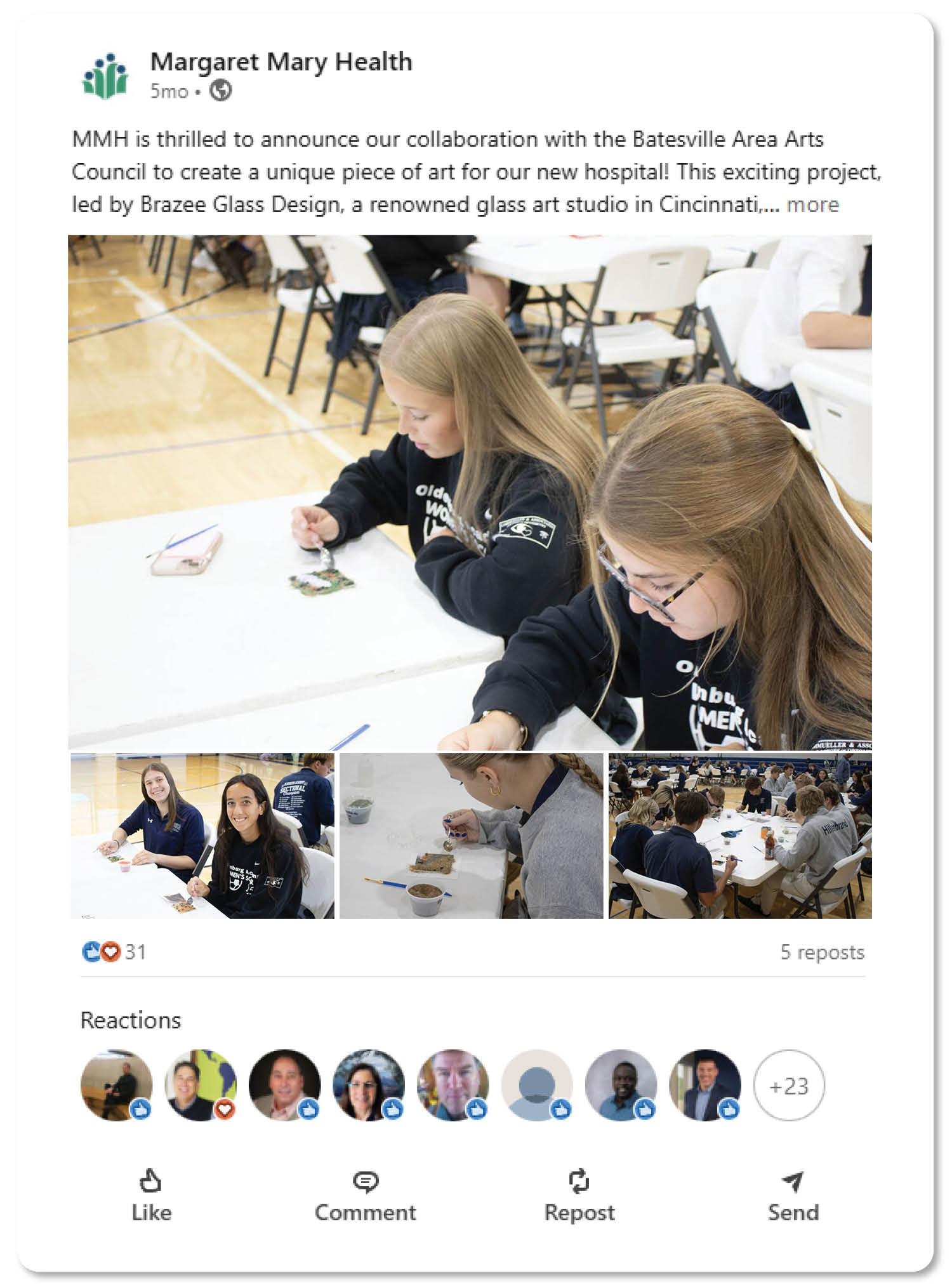

Top: MMH shares the story of how local high schoolers, with the help of glass artisan studio, Brazee, created the handcrafted glass recognition mosaic that will be featured in the hospital cafe.
Bottom: MMH features the Weberdings, a local father-son team, crafting timber for the custom donor wall. The mock-up (bottom right) re-energized existing donors and helped new supporters commit.
Arts
How do you inspire donor confidence and create immersive engagement before you have a finished building to support it? For The Children’s Theatre of Cincinnati (TCT), GBBN turned a long-abandoned theater into a great storytelling asset through the use of virtual reality (VR) technology. Utilizing this technology we were able to inspire that early donor engagement through VR tours of the space that allowed potential donors to see the impact of their contributions, as well as the location of recognition areas not yet visible in real life.
To supplement the virtual, the project team provided a physical experience in the form of mockups. Potential and existing contributors were able to see and feel the materials of a number of recognition opportunities, including named chair plaques designed to feature signatures of the kids and grandkids of donors. In the end, using the combination of the physical and virtual tools meant the final ribbon cutting met and exceeded the expectations of their campaign contributors and led to nearly every recognition opportunity being sold.
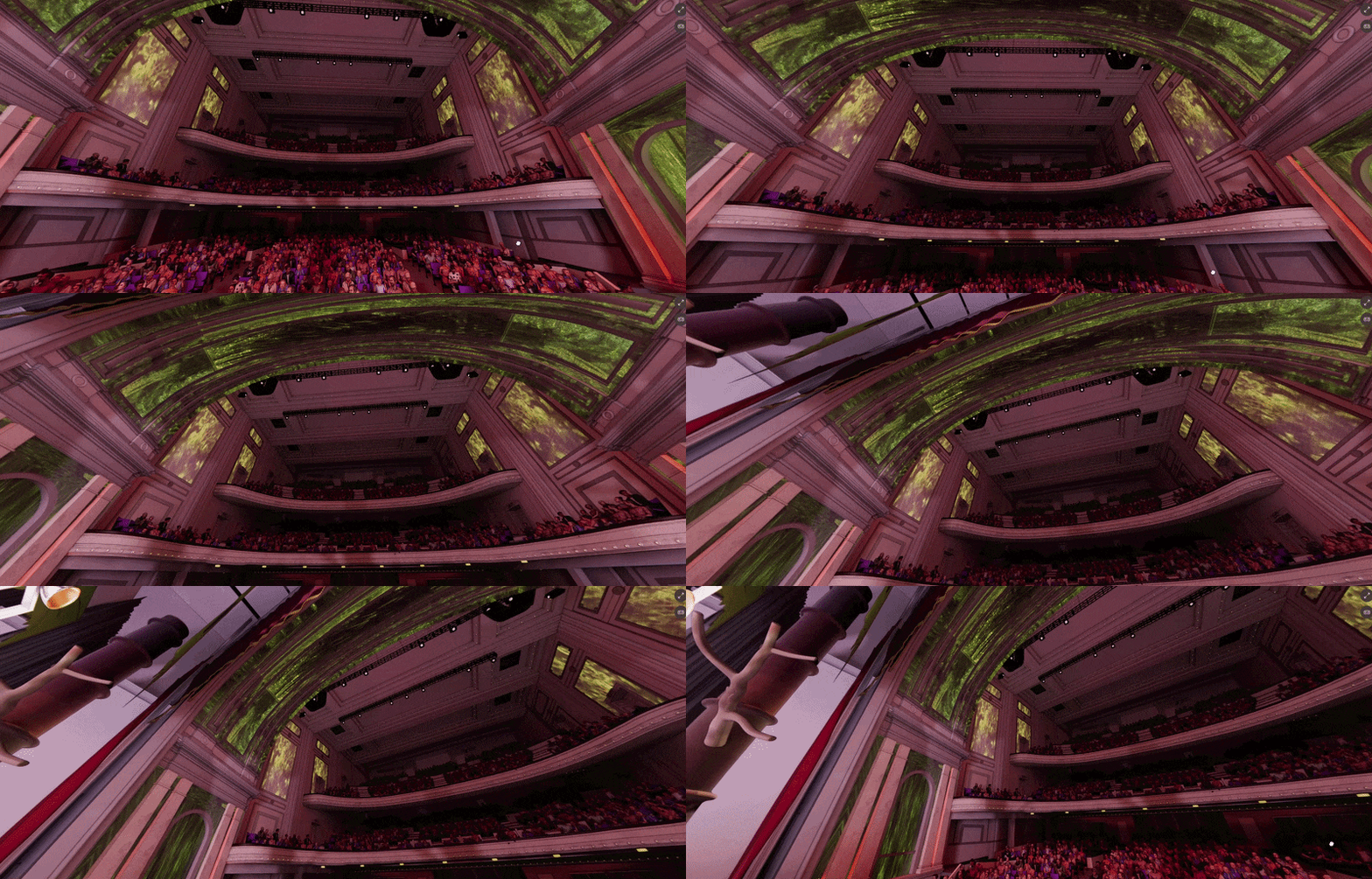
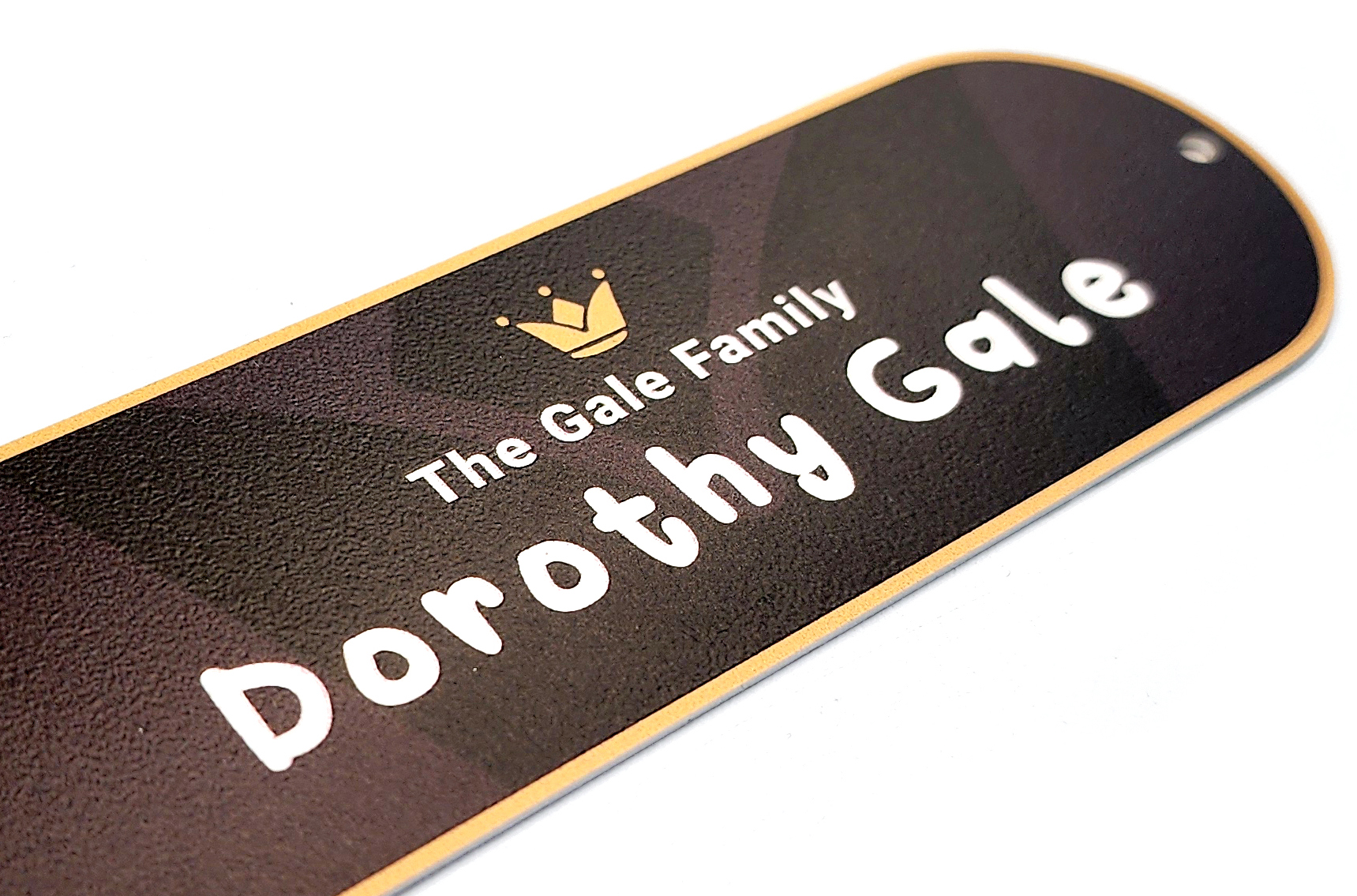
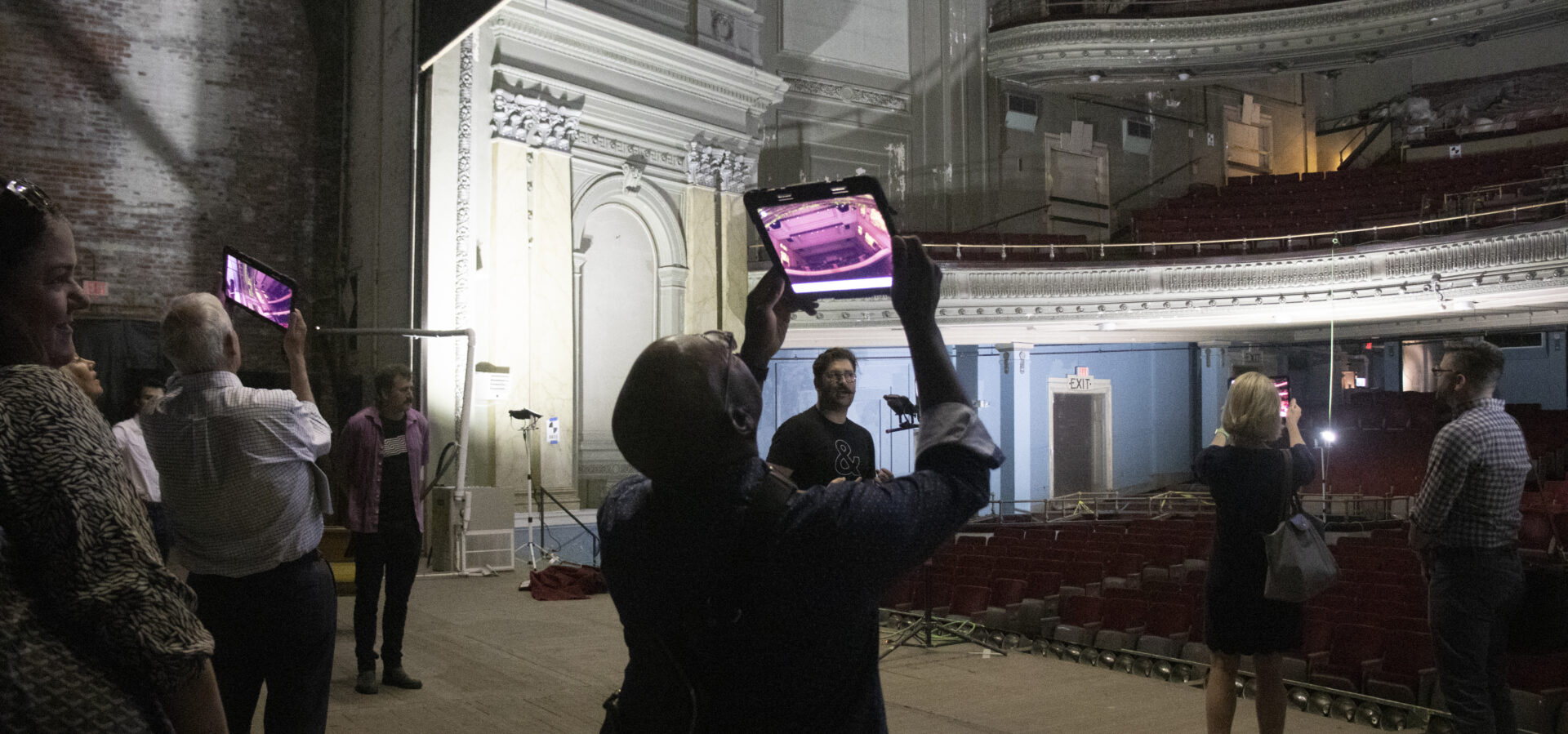
Top and bottom: Potential donors experienced the finished theater using virtual reality which allowed them to see donor recognition opportunities and how they would look at the ribbon cutting. Top right: Donors of named seats got to have their child’s or grandchild’s signature immortalized in plaques on the arm rests.
Non-profit
Like most non-profit organizations, the YWCA of Greater Cincinnati wanted as much of their renovation budget as possible to go towards positively impacting their clients and their work. So it was gratifying to help them maximize the resources they had for donor recognition. Not only did our solution optimize their budget, it rallied the client team. “Decision fatigue” can hit stakeholders as renovation projects wind down. But the visualization of the organization’s history and impact helped reinvigorate stakeholders with new energy and excitement.
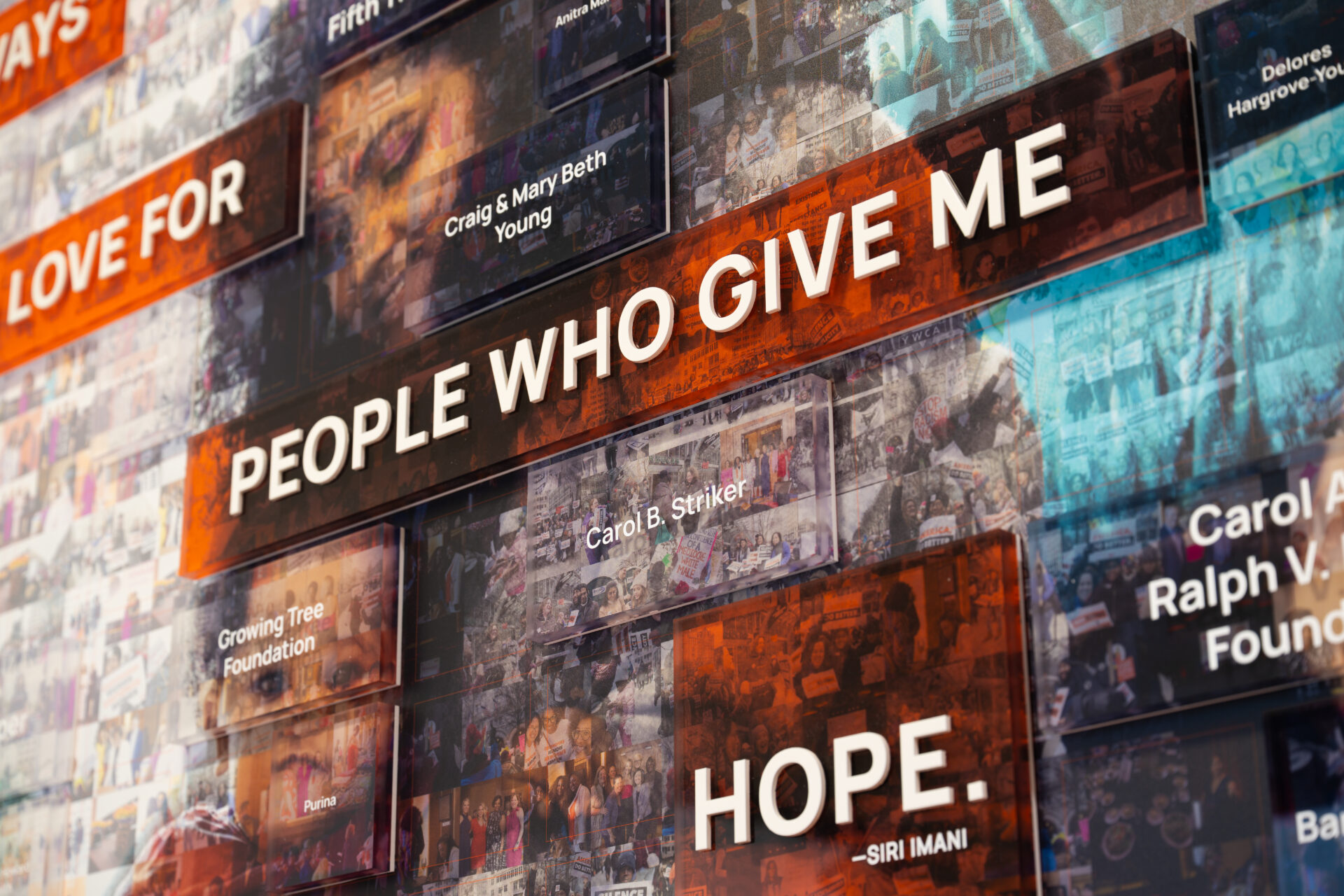
Our approach was to incorporate personal and professional stories into a one-of-a-kind donor wall and a visual timeline of the organization’s history. The donor wall embodies the heart and spirit of the organization through a photo mosaic of the people and events, past and present, whose passion make the YWCA of Greater Cincinnati possible. Post-occupancy, the timeline became the perfect spot to kick off donor tours with stories of leaders, activists, and the passion that makes the organization’s work so impactful to the community. These EGD solutions contributed to an infusion of momentum that led to the capital campaign’s continual growth post-ribbon cutting.
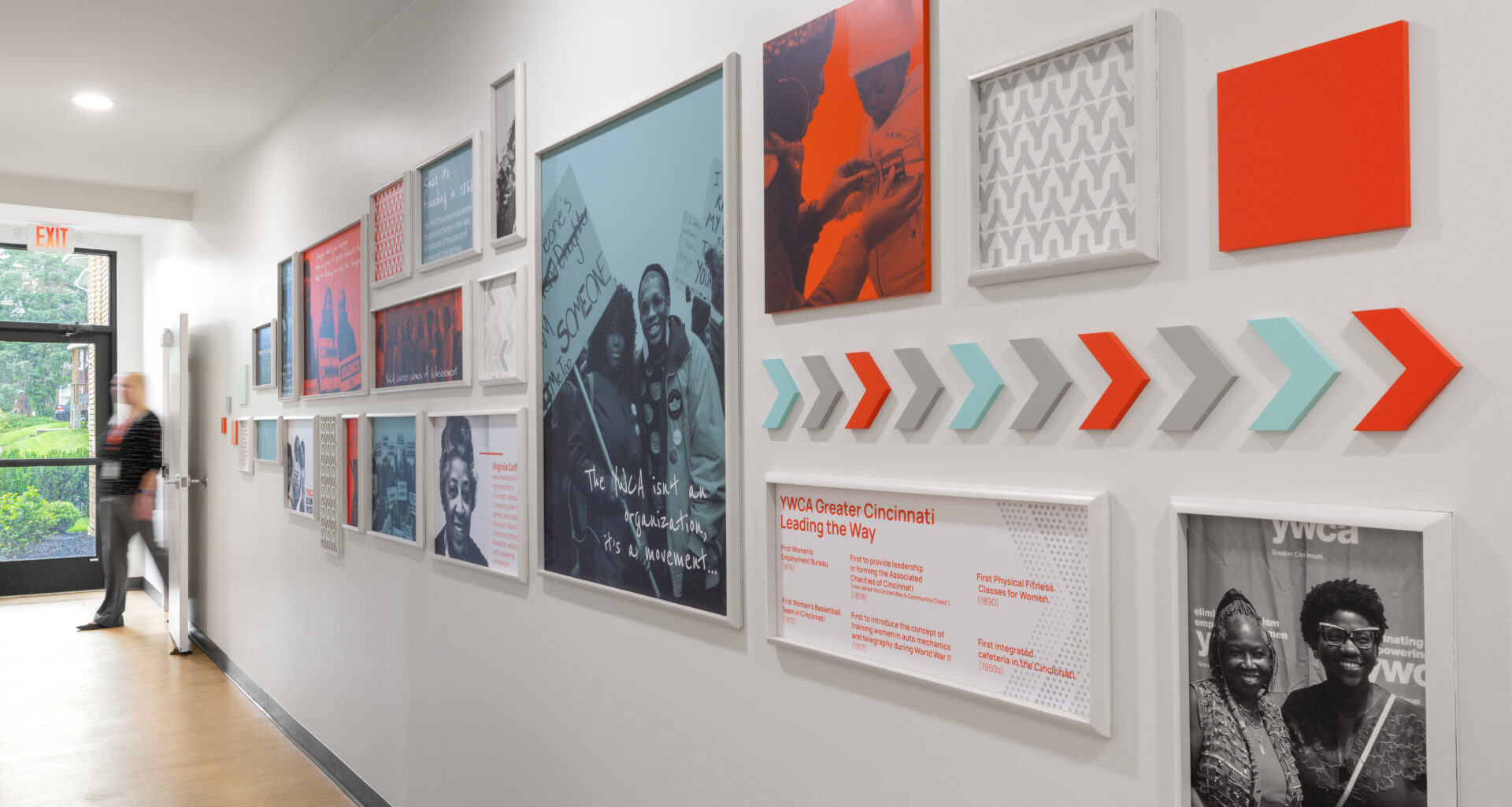
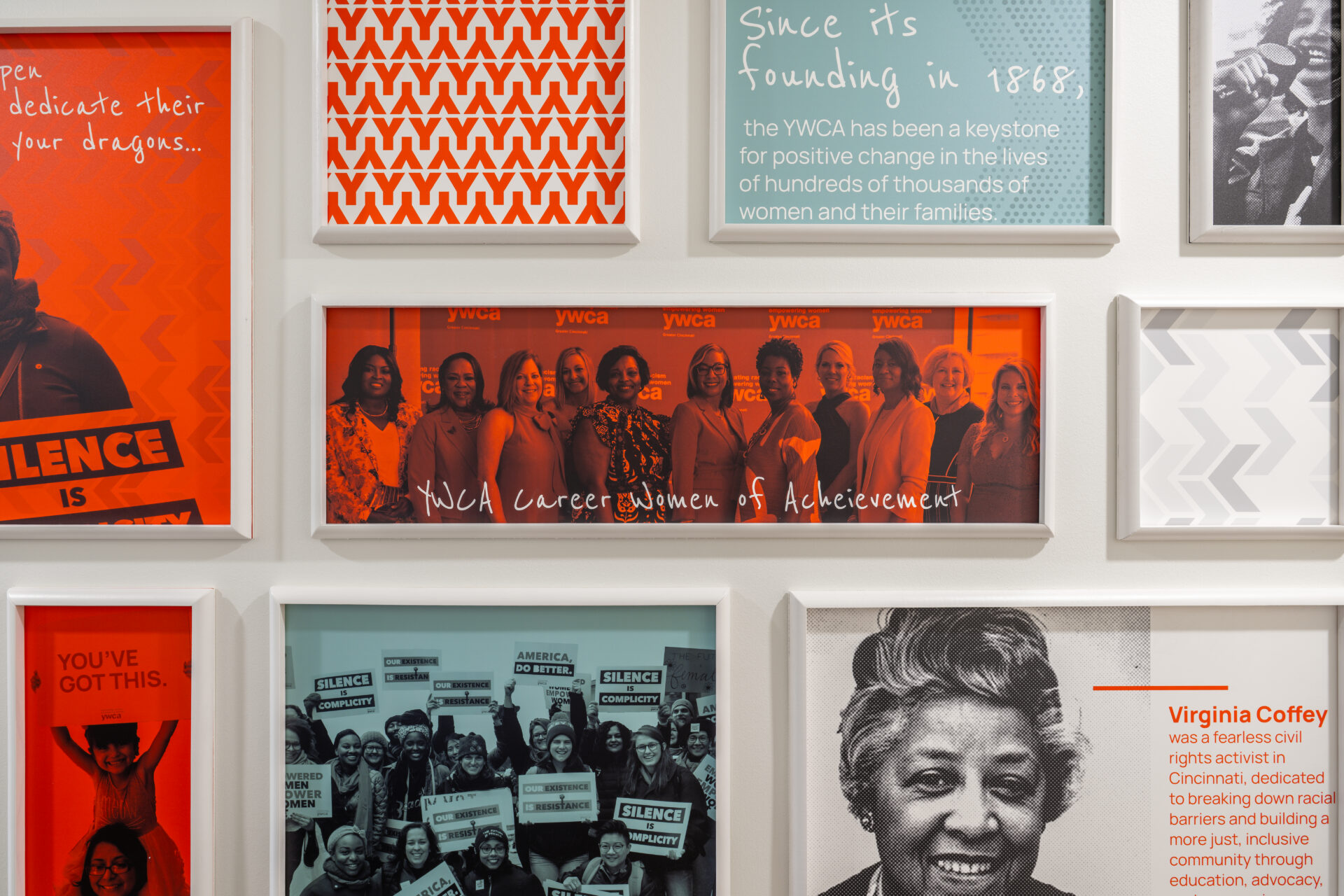

Top: The bespoke designed history wall imparts the legacy and impact of the organization to staff, visitors, and potential donors.
Bottom: The donor wall mosaic is made of hundreds of local event photos featuring the people who have helped the YWCA of Greater Cincinnati thrive.
A well-executed recognition environment doesn’t just complete the project; it elevates it. It ensures the final experience is not just a handshake and a plaque, but a moment of pride, excitement, and connection. This emotional resonance lives up to the excitement and momentum you’ve built throughout the project and becomes the foundation for repeat giving, multi-generational support, and greater trust in the organization’s long-term vision.
 Phil Rowland is Director of Environmental Graphic Design and an Associate Principal at GBBN where he founded and leads the firm’s environmental graphics practice. In just over two years, he has led more than 30 projects and contributed to capital campaigns that have collectively raised over $50 million. Phil works to blend imagery, wayfinding, and storytelling seamlessly with architecture and interior design to create memorable donor recognition environments.